
A Window Into Aging: Why Skin Is the First Test For RLS-1496
A conversation between Rubedo Life Sciences Cofounder and CSO Marco Quarta, Ph.D., and Clinical Leader Executive Editor Abby Proch

What if treating disease at its cellular roots could also reveal something fundamental about how tissues age?
In this conversation, Rubedo Life Sciences Cofounder and Chief Scientific Officer Marco Quarta discusses why the company chose atopic dermatitis and actinic keratosis as early tests for RLS-1496, an investigational therapy designed to target pathological senescent cells.
He explains how Rubedo chose patients for each study and is connecting visible clinical outcomes with biomarkers of inflammation, tissue repair, and biological aging, and how the team will tell reduced inflammation apart from a true change in biological aging. Quarta also addresses what the company’s early findings show, how dermatology offers a practical proving ground for its approach, and what evidence would be needed to pursue additional diseases or a systemic therapy.
Clinical Leader: Tell us about choosing atopic dermatitis and actinic keratosis as early test cases for RLS-1496. What can each condition teach you about the drug’s effect on senescent cells?
Marco Quarta: We selected atopic dermatitis and actinic keratosis because they represent distinct but complementary opportunities to evaluate the role of pathological senescent cells in human disease. Atopic dermatitis is a chronic inflammatory condition that allows us to investigate how targeting cellular senescence may affect inflammatory signaling, skin barrier function, and tissue health. Moreover, emerging research indicates that atopic dermatitis accelerates skin aging, causing patients to look older due to localized and visible actinic keratosis, a precancerous condition typical of an elderly population and associated with cumulative sun damage. It also provides an opportunity to evaluate whether selectively targeting pathological senescent cells can reduce visible lesions and restore healthier tissue function.
Importantly, both conditions allow us to directly assess clinical outcomes alongside molecular and cellular changes in skin tissue involved with diseases and aging biology. Our early findings support this approach. In atopic dermatitis, we have observed clinical improvements alongside changes in inflammatory and aging-associated biomarkers, while our actinic keratosis study demonstrated a 49% mean reduction in lesion counts following four weeks of treatment. Together, these studies provide early clinical evidence supporting our SenoAdaptive approach and the broader therapeutic potential of targeting cellular senescence.
Atopic dermatitis and actinic keratosis vary widely from patient to patient. What made someone a good candidate for each study? Which patient differences could make the results harder to interpret?
We designed our early clinical studies to enroll patients with clearly defined, measurable disease characteristics while minimizing factors that could complicate interpretation of the results. In atopic dermatitis, we focused on patients with clinically evaluable disease, allowing us to assess changes in symptoms, inflammation, and underlying tissue biology. In actinic keratosis, we selected patients based on the presence of multiple clinically identifiable lesions within defined treatment areas, enabling comparisons between treated and untreated skin.
We recognize that differences in disease severity, age, prior treatments, cumulative sun exposure, and underlying inflammatory activity can influence clinical outcomes. These factors are particularly important when studying cellular senescence, which itself varies across individuals and tissues. By combining clinical assessments with tissue biopsies and molecular analyses, we aim to better understand which biological characteristics are associated with treatment response and use those insights to inform patient selection in subsequent trials.
Skin can be photographed and biopsied more easily than many other organs. How did you choose which biomarkers to track over time? How will you show that a change in those biomarkers leads to a meaningful benefit for patients?
One of the key advantages of dermatology is the ability to directly connect molecular changes with observable clinical outcomes. Our biomarker strategy is designed to evaluate multiple aspects of RLS-1496’s mechanism, including glutathione peroxidase 4 (GPX4) target engagement, senescence-associated signaling, inflammatory pathways, extracellular matrix remodeling, and epigenetic markers of biological aging.
We are encouraged by the consistency of several early findings. In our atopic dermatitis study, treatment was associated with a statistically significant mean reduction of 2.1 years in measured skin epigenetic age across 11 paired samples, alongside reductions in inflammatory biomarkers both locally in the skin and systemically in the blood and a 10% increase in type III collagen fibers measured histologically, result consistent with multiple collagen types that we assessed increased expression by both spatial transcriptomics and proteomics. Separately, our actinic keratosis study demonstrated meaningful reductions in lesion counts.
However, changes in biomarkers alone are not sufficient to establish clinical benefit. We are demonstrating that these molecular changes correspond with improvements patients can experience, including reduced itching and inflammation, lesion clearance, and improved skin health. Establishing reproducible relationships between target engagement, biological responses, and meaningful clinical outcomes will be central to our future development program.

RLS-1496 may improve a skin disease while also changing aging-related biomarkers. How will you decide whether those are two separate effects or evidence of the same mechanism?
This question is central to our scientific approach. Our hypothesis is that pathological senescent cells contribute to both chronic disease and age-related tissue dysfunction through overlapping biological pathways, including persistent inflammatory signaling, oxidative stress, and impaired cellular function.
RLS-1496 is designed to selectively target pathological senescent cells through GPX4 modulation while supporting restoration of cellular function in surrounding tissue, mediated by induction of nuclear factor erythroid 2-related factor 2 (NRF2), leading to a redox reset in the stressed cells around senescent cells. We are evaluating whether improvements in clinical disease activity are accompanied by changes in molecular signatures associated with senescence and biological aging.
The early findings are encouraging, particularly the observed changes in epigenetic age, inflammatory signaling, and collagen biology. However, we recognize that correlation does not establish causation. Further studies examining the relationship between target engagement, cellular changes, and clinical outcomes over time will help determine whether these effects arise from a shared mechanism. Our goal is to build a comprehensive body of evidence demonstrating how targeting pathological cellular senescence may translate into therapeutic benefits across different diseases.
Your atopic dermatitis study also looked at photoaged skin. How did you separate the goals for treating the disease from the goals for studying aging? How will you avoid mistaking lower inflammation for a true change in biological aging?
We approached these as complementary but distinct scientific objectives. For atopic dermatitis, our focus was on evaluating safety, tolerability, and clinical improvements in inflammatory skin disease. Separately, analysis of photoaged skin, assessing the skin outside the lesions, allowed us to explore the effects of RLS-1496 on molecular and structural features associated with biological aging, including DNA methylation patterns, senescence-associated signatures, and collagen production.
We recognize that inflammation and biological aging are closely interconnected, making it essential to distinguish changes driven by reduced inflammatory activity from broader changes in tissue biology. That is why our analyses extend beyond inflammatory biomarkers to include epigenetic clocks, spatial transcriptomics, histology, and markers of extracellular matrix remodeling.
Importantly, we observed a statistically significant reduction in measured skin epigenetic age, accompanied by changes in DNA methylation patterns and increased type III collagen fibers among others. These findings suggest biological effects extending beyond conventional measures of inflammation, although they do not yet establish a true reversal of biological aging. Further validation, including longer-term follow-up and independent measures of tissue function, will be important to determine the durability and significance of these observations.
Rubedo is starting with specific skin diseases while also studying aging biology. What is the larger development strategy for RLS-1496? What evidence would support moving into other diseases or developing a systemic version?
Our broader strategy is to establish cellular senescence as a therapeutically actionable driver of chronic and age-related diseases. Dermatology provides an ideal starting point because we can directly evaluate clinical efficacy, target engagement, and changes in tissue biology while limiting systemic drug exposure.
Our early clinical findings across atopic dermatitis, psoriasis, actinic keratosis, and photoaged skin support continued investigation of RLS-1496 across dermatologic indications. We are also expanding into androgenetic alopecia, where cellular aging and tissue dysfunction may contribute to disease biology.
Looking beyond dermatology, we are particularly interested in diseases where pathological senescent cells and chronic inflammatory signaling play a significant role. Notably, our atopic dermatitis study identified reductions in circulating inflammatory biomarkers following topical treatment, despite undetectable systemic drug exposure in most subjects. While preliminary, these observations raise important questions about the potential broader effects of local senescence modulation.
Any expansion into systemic indications would require additional evidence of disease-relevant biology, appropriate pharmacology, systemic safety, and meaningful therapeutic benefit. Ultimately, our vision is to develop a new class of SenoAdaptive medicines that address underlying mechanisms of cellular dysfunction rather than solely treating downstream symptoms.
About The Expert:
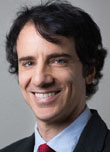 Dr. Marco Quarta is the co-founder and chief scientific officer of Rubedo Life Sciences, driving its mission to develop treatments for chronic age-related diseases and extend healthspan. Rubedo strategy is based on a platform to discover the pathological cells involved in the biological aging process, such as senescent-like cells, and to develop small molecules designed to selectively target those cells across multiple indications in the Rubedo pipeline.
Quarta earned a master’s degree in biotechnology, a Ph.D. in neuroscience, and post-doctoral training in aging and stem cells biology in the lab of his mentor Prof. Thomas Rando at Stanford University School of Medicine. He then directed a research team at Stanford/VA Hospital Palo Alto focused on translational medical research in the fields of aging and regenerative medicine. He also co-founded the Phaedon Institute, a nonprofit scientific organization bringing together leading experts and institutions to accelerate the translation of aging research into clinical applications, advance longevity medicine, and extend human healthspan.