
Digital Endpoint Resource Guide: Sleep Disorders
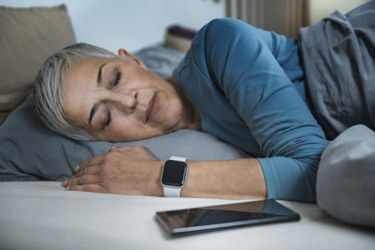
Digital health technologies are reshaping how sleep disorders are evaluated in both clinical research and real-world settings. Wearable sensors combined with advanced algorithms can convert continuous movement and physiological signals into meaningful sleep metrics such as efficiency, latency, total sleep time, wake after sleep onset, and circadian rhythm patterns. These objective, high-resolution measures extend beyond traditional polysomnography and patient-reported outcomes by capturing sleep behavior over longer periods in natural environments.
Key considerations include selecting endpoints aligned with disease mechanisms and symptom profiles, ensuring feasibility for remote data collection, and validating measures for analytical performance and clinical relevance. Practical guidance on sensor choice, wear location, data quality monitoring, and analytics pipelines helps teams design scalable, low-burden protocols.
By leveraging digital endpoints, researchers can modernize sleep-disorder trials, improve patient diversity and engagement, and uncover subtle changes in sleep health often missed by conventional approaches.
Get unlimited access to:




Enter your credentials below to log in. Not yet a member of Clinical Leader? Subscribe today.