
How A $96M Gift Is Transforming Pediatric Brain Cancer Clinical Trial Infrastructure
A conversation between Milken Institute Science Philanthropy Accelerator for Research and Collaboration (SPARC) Director Caitlyn Barrett, Ph.D., and Clinical Leader Executive Editor Abby Proch
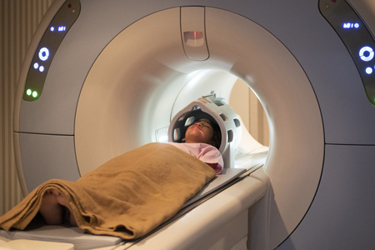
It’s been three years since an anonymous donor gave $96 million to Children’s National to transform its rare pediatric brain tumor research and care. So far, the gift has enabled the hospital to run five new first-in-human trials — and there is plenty more to achieve.
One of the hospital’s largest donations to date, facilitated by the Milken Institute’s Science Philanthropy Accelerator for Research and Collaboration (SPARC), was designed to accelerate the development of safer, more effective therapies, strengthen clinical trial capabilities, and improve long-term care for children affected by rare brain tumors.
In this interview, Director Caitlyn Barrett explains how SPARC helped shape and manage the investment and how the donation is expanding clinical trial infrastructure at Children’s National. She also discusses what large-scale philanthropy can do that traditional funding often cannot and offers up advice for institutions seeking similar support.
Clinical Leader: What kind of impact do you anticipate this donation will have on pediatric brain cancer clinical research?
Caitlyn Barrett, Ph.D.: About 50% to 60% of pediatric brain cancer patients are on clinical trials, which is unique compared to the 3% to 6% of adults. It's a significant way many patients receive their treatment. Children's National’s strength has been its pediatric brain cancer research and care, but the funding needed to advance innovative, paradigm-shifting research that'll ultimately lead to better patient outcomes is challenging to secure.
This investment boosted Children's National's ability to run more clinical trials spanning a range of pediatric brain cancer diagnoses, using therapeutics with greater potential to deliver significantly improved outcomes. We've been dealing with just helping patients survive for so long that ultimately helping them survive and thrive is the next big transition in the field.
How did SPARC facilitate the donation?
We sat with the donors and identified their priorities and the challenges they saw in the space. Then, we conducted a comprehensive analysis of Children's National and the broader ecosystem and determined where they are best positioned to make the most progress. Based on that information, we supported Children's National as they envisioned paradigm-shifting programs focused on areas of opportunity based on the donor’s experience, where Children’s National is poised to make an outsized difference and where significant needs in pediatric cancer are not being addressed. Now, we manage the connection between the donor and grantee under this investment. For the five years after the investment is made, we will track the impact and report back to donors on progress and overall impact in the field. Philanthropy is no longer putting a name on a building. It’s a partnership.
How will the donation address the strengths and opportunities for Children's National as it relates to the clinical trial infrastructure and capacity?
Children's National wanted to run the most promising clinical trials faster and more effectively. Every program that was funded under this investment has some direct or indirect bearing on the institution’s ability to run optimized clinical trials. There is a bioinformatics core to help develop clinical trials that are going to be statistically viable. There's a biorepository so that data and tissue are available to perform research to identify new treatment options. There's an overall infrastructure build, and that will help them increase their speed and the number of trials they can run. There are more clinical research coordinators, research associates, and research nurses to support the consenting, the study management, the data collection, and patient interactions.
If you then go to the specific scientific expertise of Children's National, there's one really great example of where this clinical capacity has shown up: the cellular immunotherapy work that Dr. Catherine Bollard is leading. There's a much more sophisticated setup that will allow these personalized treatments to be developed quickly and cost-effectively and support the growth and capacity of their GMP facility.
What would've happened if this support hadn't come through?
Right now, much of the field is taking almost incremental steps in the right direction. It's taking old therapies and combining them. It’s testing the most exciting new therapies in kids who are already far along their cancer journey. Without funding that supports innovation and higher-risk scientific approaches, it's been really difficult to make the paradigm-shifting changes in the treatment options available to patients. This investment has enabled Children's National to start thinking bigger and moving faster.

What does such a donation do for a researcher's motivation or inspiration in the field?
I've seen these researchers do things I've never seen researchers do before because the funding gives them the freedom to de-risk exciting innovations and be cutting-edge without being worried about losing funding or being unable to secure subsequent funding. They can instead learn from their experiences and leverage those learnings to move more quickly. That's the big bonus of philanthropy. It really opens up the aperture and the ability of these investigators to be creative and forward-thinking. They're designing research projects and programs that they probably would've been concerned were too novel to be funded through other pathways.
When you have a private donation, does it change how you spend that money compared with other sources of funding?
The work we do is very bespoke and partner-centered. We're focused on how to protect the money and the work. A lot of times with NIH funding, institutions may hold it for a rainy day, and projects are already nearly complete when they are competitive for funding. We are looking for accelerated and meaningful impact with these private funders. We want the funding spent, and we want it to provide a foundation for ecosystem-wide discovery. And we are looking for accelerated timelines — early fail, early revision — driving toward the most promising work.
How do you make sure the money lasts?
Ultimately, the donors don't want this to fall apart the second the five-year duration of this investment is gone. And so, we have been working hand in hand with Children's National to develop a sustainability plan. That includes how they might start commercializing some of the new therapeutics to support their work. Children’s National also has new core facilities through this investment with the potential to further drive sustainability as institutional investigators acquire grant funding to use these resources. Children’s National has embraced the donor’s desire to ensure sustainability and are carefully considering how they can diversify their sources of funding. We are also seeing this investment spur additional investments from philanthropic sources.
What should an institution or an organization do to look attractive to a donor such as this?
Usually, these kinds of investments are from a grateful family. And what really inspires the donors is when researchers and institutions are collaborative beyond their walls. I have seen several investments go into cross-hospital collaborations, like with Virginia Tech and Children's National. Virginia Tech’s technological and engineering expertise has combined with Children’s National’s clinical and research chops to create a low-intensity focused ultrasound program.
These collaborations require a lot of additional effort to build. They require strong governance, data sharing, and institutional commitment, but donors want to see an impact beyond the here and now at the institutions that they support. So, it's really helpful for institutions to be very thoughtful about how they're working within the overall ecosystem and how they're sharing the outcomes of their research so donors can see that the outcomes of the investment are not going to stay in one place.
Another big piece is just listening. When people come to you and say, "We saw problems with this in the system," offering them the opportunity to donate to build a new building does not address the challenges and needs they have seen and want to change. Potential recipients should be thoughtful and caring about the individual they’re talking to and what they really see as the need, and how to achieve meaningful change in that space.
What else is important to know about the donation and its potential impact?
Since that first Children's National investment, there's also been an investment from this same donor to Johns Hopkins Department of Radiation Oncology and Molecular Radiation Sciences. The donor has seen a significant need to support patients in survivorship and ensure a child who's gone through treatment feels supported and cared for beyond that treatment. And so, lifelong wellness is a priority of this investment. The team at Johns Hopkins Kimmel Cancer Center is researching how to lower the side effects of treatments like radiation therapy which can be life-saving but damaging to developing brains.
The investment in Johns Hopkins was also a great opportunity to link the two investments and start gathering more information about neurocognitive long-term effects of the disease and treatment so we can understand how programs supported under this investment are contributing to improved long-term patient outcomes. It's integrating incredibly well into the clinical care and trial work that's being done at Children's National. So, we tried to pull those pieces together and bring in data on neurocognitive outcomes and radiation therapy, which hadn't been collected alongside other tumor and clinical data previously, into a larger pediatric brain cancer database at the Children's Brain Tumor Network.
About The Expert:
 Caitlyn Barrett, Ph.D., manages the rare disease and oncology portfolios for the Science Philanthropy Accelerator for Research Collaboration at Milken Institute Strategic Philanthropy. She applies expertise in cancer biology and neurodegeneration and experience in grant and program management, stakeholder engagement, and program analysis to maximize philanthropists’ impact on the biomedical ecosystem. Previously, Barrett was the senior director of research and programs at CureSearch for Children’s Cancer where she administered CureSearch’s pediatric cancer research grant portfolio. Before CureSearch, Barrett was a program manager in the Office of Cancer Genomics at the National Cancer Institute where she stood up the Human Cancer Models Initiative.
Barrett received a Ph.D. in cancer biology from Vanderbilt University and completed postdoctoral research at the Pittsburgh Institute of Neurodegenerative Disease at the University of Pittsburgh. She serves on the Board of Directors of the Coalition Against Childhood Cancer, a network that supports the childhood cancer community.