
Turning Pediatric Cancer Discoveries Into Medicines Requires Better Connections
By David Adler, MD, Ph.D., MBA
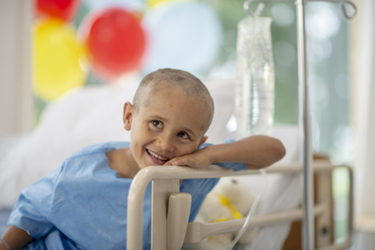
It may sound like an unlikely way to arrive at a career in oncology, but one of the earliest reasons I became interested in cancer was a child in my neighborhood who was diagnosed with leukemia. I remember thinking that when I grew up, I wanted to help make the world free of childhood cancer.
That thought eventually faded as my career developed. I started in academic research, where I enjoyed understanding the biology of disease and making new discoveries. But over time, I realized that discovery alone was not enough for me. I wanted to be involved in what came next: taking promising findings into development, testing whether they could work in patients, and helping turn scientific discoveries into medicines.
I subsequently spent a decade in Big Pharma, leading oncology programs from preclinical research into the clinic. That experience gave me a very different perspective on what it takes to move an idea from a laboratory into a medicine. It also made me increasingly interested in the parts of the development process that happen between scientific discovery and the clinical trial.
Recently, I found myself thinking again about pediatric oncology. I could still recall the childhood memory, but now I was looking at pediatric cancer drug development as someone who had spent a decade leading oncology programs.
That perspective led me to a simple question: Where does the path from promising pediatric cancer research to a medicine become difficult, and what could we do differently?
Missed Connections Zap Energy From Research
Imagine an electrician walking into a house. The house is equipped with all the modern appliances, but they’re not working. The problem is that the wiring does not allow everything to work together as efficiently as it could.
I think there is something similar happening in pediatric oncology.
The field has exceptional scientific expertise, experienced clinicians, specialized cancer centers, research networks, pharmaceutical capabilities, regulatory mechanisms, and philanthropic support. The problem is that they are not always connected at the points where they could have the greatest influence on whether a promising program becomes a medicine.
A promising discovery can spend years in academic research before development expertise becomes involved. By then, important decisions may already have been made about the evidence, models, biomarkers, clinical strategy, or other requirements for moving the program forward.
From my experience in oncology development, one question should be asked much earlier: What do we need to know to make the next development decision?
That question is different from simply asking whether a program is scientifically promising. A promising pediatric oncology program may still have important uncertainties around its biology, models, pharmacology, biomarkers, safety, clinical population, manufacturing, or regulatory strategy. The earlier those uncertainties are identified, the greater the opportunity to address them while there is still time to influence the direction of the program.
This is where I believe pediatric oncology could begin to rewire the path from discovery to medicine.

Four Things That Must Change Now
First, development-readiness needs to enter the process earlier.
Academic institutions and pediatric oncology research networks should have structured opportunities to assess programs during discovery and preclinical development not only when a program is ready for licensing. The purpose should not be to predict commercial success; it should be to identify what the science has established, what remains uncertain, and which uncertainties matter most for the next development decision.
Second, academic and industry expertise should be connected before there is a transaction.
Pharmaceutical and biotechnology development teams often become involved when an academic program is already approaching a partnering or licensing discussion. By then, years of research may have shaped the program. Earlier interaction could bring translational pharmacology, biomarkers, toxicology, clinical development, manufacturing, and regulatory perspectives into the discussion while there is still time to act on them.
This does not mean that academic research should become an extension of industry. It means that development expertise should be available early enough to be useful.
Third, funding should address the uncertainties that are actually blocking development.
Some pediatric oncology programs sit between academic research funding and commercial investment. Rather than asking only whether more research should be funded, funders could ask which unanswered question is preventing the next development decision. That might be model validation, pharmacology, biomarker development, safety, manufacturing feasibility, or another translational question.
The goal should not simply be to generate more data. It should be to generate evidence that can materially change what happens next.
Fourth, the connections need to remain in place once a program enters clinical development.
Clinical development is not simply the final stage of the process. It generates new information that can change the therapeutic hypothesis. Safety findings can alter a development plan. Biomarker results can change patient selection. Clinical observations can challenge assumptions made in preclinical research.
Those lessons should flow back into translational research, development strategy, regulatory thinking, and future pediatric oncology programs.
The Right Connections Matter
Pediatric oncology does not need to become adult oncology, and it does not need to adopt an industry operating model. The biology, patient populations, clinical settings, and development challenges are different. But the field can benefit from thinking more deliberately about how its existing capabilities connect.
After spending a decade leading oncology programs through clinical development, I have come to believe that the challenge is not simply to generate more promising science or persuade companies to develop more pediatric cancer medicines. It is to create a development pathway in which promising pediatric oncology research encounters the right expertise, evidence, resources, and decision-making early enough to make a difference.
The components are already there. The task is to rewire the connections between them.
About The Author:
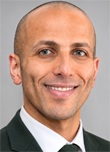 Professor David Adler, MD, Ph.D., MBA, is a senior oncology drug development and translational medicine leader with more than 15 years of experience spanning pharmaceutical development and academic cancer research. He spent a decade in senior medical and clinical development leadership within Bayer AG’s Global Oncology Clinical Development organization, leading oncology programs from preclinical research into the clinic. He currently serves as Chief Scientific & Medical Officer of the PATHORA Institute of Pathology & Tissue Medicine. His work focuses on the strategic decisions that shape the path from scientific discovery through clinical development and help determine whether promising innovations can ultimately become medicines. He also holds academic appointments at the Hebrew University of Jerusalem, Ben-Gurion University of the Negev, and the University of Bonn.