
What It Takes To Validate A Biomarker For Real-World, Post-Transplant Care
A conversation between CareDx Vice President Of Cell Therapy & Transplant Yelena Bushman, MBA, and Clinical Leader Executive Editor Abby Proch
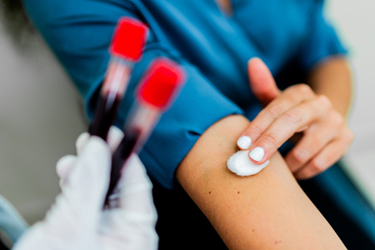
As biomarker-driven surveillance becomes increasingly important in post-transplant care, clinical teams need evidence that is scientifically sound, operationally reliable, and relevant to real-world practice.
In this interview, Yelena Bushman, MBA, vice president of cell therapy and transplant at CareDx, talks about the design and execution of its prospective, observational ACROBAT study evaluating AlloHeme, a blood test designed to help predict relapse in patients after allogeneic hematopoietic cell transplantation (HCT).
Bushman discusses how the study team approached protocol-defined sample collection, centralized assay processing, patient eligibility, longitudinal follow-up, and benchmarking against standard-of-care methods. She also shares what the study revealed about translating promising biomarker signals into usable surveillance tools.
Clinical Leader: ACROBAT was a prospective, observational study across 11 clinical research sites; what design choices were most important to make the biomarker data credible to clinical and regulatory stakeholders?
Yelena Bushman, MBA: We were very intentional about designing ACROBAT as a prospective study with protocol-defined sample collection, rather than relying on retrospective data sets. Equally important was eliminating unnecessary variability. We standardized collection protocols across all sites and centralized the assay so the data accurately captured disease biology rather than lab and technical variability. We aligned study endpoints directly with clinically meaningful outcomes, including ability to detect relapse early, so the data would be interpretable and actionable to clinicians and regulators. Since this was a clinical validation study, the assay results were blinded to clinicians to enable objective measurement of study endpoints without introducing intervention bias.
What were the most important eligibility criteria for ensuring the study population reflected the intended use population?
We focused on patients who reflect the intended use case — post-allogeneic HCT acute leukemia and myelodysplastic syndromes (MDS) patients. To make sure that our test is relevant to real-world patient populations, and management care, we allowed sites to enroll subjects without limiting their practice, including using any conditioning or graft-versus-host disease (GVHD) prophylaxis regimens. As part of the site training, we also reinforced the need for patients to be able to adhere to the sample collection protocol and follow-up visits. Patients that were not able to make this commitment were not enrolled in the study. The guiding principle was: If the population doesn’t reflect how the test will be used, the data won’t translate.
How did you think about balancing the number of participants needed with the need for a homogeneous population to support clear biomarker interpretation?
The study was powered to ensure a sufficient number of patients with a clinical relapse based on published relapsed rates in this population since that was key to achieving our primary endpoint. We purposefully prioritized a broad inclusion criterion that was reflective of real-world practice to ensure that our surveillance test could be used universally for the target post-transplant acute leukemia and MDS population.
We also conducted sub-analysis based on patient disease, Minimal Residual Disease status, GVHD prophylaxis regimen, conditioning regimen, and other factors to ensure our performance was consistent across these groups.

What operational steps were most critical to keep sample collection, processing, and result timing consistent across the research sites?
Standardization at the pre-analytical stage was critical. We locked down everything — tube types, timing windows, processing parameters, shipping conditions — directly in study-specific SOPs. We also used centralized lab processing and real-time monitoring to identify any drift across sites early. Training wasn’t a one-time event; we had to continuously reinforce protocol adherence.
Training and protocol reinforcement were ongoing throughout the study. Participating sites received study-specific training at initiation, followed by regular communications, monitoring activities, and data reviews to support consistent implementation of study procedures. The study team worked closely with sites to address questions, reinforce key requirements, and promote high-quality data collection throughout the study.
Throughout the study, sites received ongoing communications, reminders, and support to help maintain adherence to study procedures and follow-up schedules. Proactive coordination between the study team and participating sites was important for minimizing missed collections and maintaining the integrity of the longitudinal dataset
What were the biggest challenges in coordinating follow-up over 24 months?
Retention and consistency. Patients transition out of transplant centers over time, which makes it harder to maintain consistent sampling intervals. On the site side, staffing and priorities change over a two-year period. We had to manage follow-up — through site engagement, clear visit windows, and strong coordination infrastructure — to preserve the integrity of the longitudinal data set.
The biggest challenges were maintaining patient retention and operational consistency over a two-year follow-up period. Patients' schedules and care settings often changed over time, while sites experienced staff turnover and shifting priorities. To address these challenges, we maintained regular communication with sites, monitored upcoming visits and follow-up status, provided reminders when needed, and worked closely with study coordinators to minimize missed visits and data gaps. Strong site partnerships and proactive follow-up were critical to preserving the integrity of the longitudinal dataset.
Why was it important to benchmark AlloHeme against standard-of-care methods such as multiparameter flow cytometry (MFC)-MRD and chimerism?
Anytime you’re introducing a new assay to the market, physicians and regulators want to understand how it fits within the current standard of care. For example, is it a replacement for existing standard of care or can it be complementary? In this particular patient population, there isn’t just one standardized standard of care for patient surveillance for clinical relapse. Clinicians use a mix of bone marrow-based MFC MRD, molecular MRD, and chimerism testing. Analyzing our test performance against these established surveillance tests allows physicians to interpret the new data in a familiar framework and to assess whether the biomarker adds incremental value.
For teams in pharma or biotech, what would you say is the minimum evidence needed before a biomarker can move from a promising signal to usable surveillance tool?
You need two things: analytical validity — consistent, reproducible measurement — and clinical validity — clear association with meaningful outcomes. A statistically significant signal alone isn’t enough. The biomarker has to be reliable in real-world settings and interpretable in the context of care.
Looking back, what did the study teach you about building a biomarker program that can support both product development and clinical care?
The biggest lesson is that biomarker development is as much an operational discipline as a scientific one. You have to design for intended use from the beginning, control sources of variability aggressively, and generate data that physicians recognize and trust. And importantly, you need longitudinal evidence — single timepoints rarely translate into surveillance. Ultimately, success comes from aligning study design, execution, and clinical context from day one.
Editor’s note: This transcript has been edited for clarity.
About The Expert:
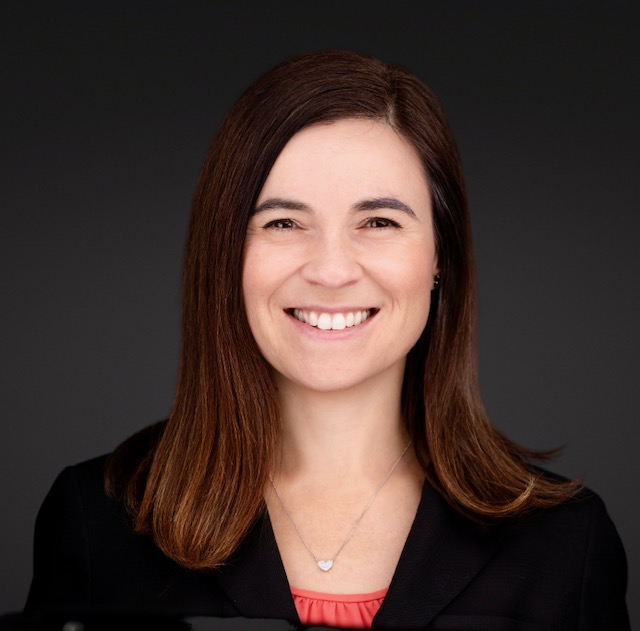 Yelena Bushman, MBA, is vice president of cell therapy & transplant at CareDx, where she leads the development and commercialization of the company’s cell therapy portfolio, including the AlloHeme program. She brings more than 20 years of experience across diagnostics and biopharma, with a focus on translating complex biomarker innovations into clinically relevant, commercially viable solutions. Her work has spanned oncology, pulmonology, and women’s health, with a track record of launching novel diagnostics and shaping emerging markets. Prior to CareDx, she held senior leadership roles at Natera, Veracyte, and Genentech, leading marketing, product life cycle, and commercial strategy across multiple therapeutic areas. Yelena holds an MBA and B.S. from the UC Berkeley Haas School of Business.