
Choosing Clinical Research … On Purpose

By Dan Schell, Chief Editor, Clinical Leader
For the past three years, I’ve asked a version of the same question to nearly everyone I interview in clinical research: How did you get into this field?
The answer is almost always the same.
“I fell into it.”
Sometimes it’s said with a laugh. Sometimes with a shrug. Occasionally with a bit of disbelief that an entire career came together by accident. What’s striking is how consistent that story has been, even as the industry itself has become more complex, more regulated, and more central to public health.
Clinical trials today require sophisticated operations, specialized knowledge, and tight coordination across sponsors, sites, regulators, and patients. Yet for many professionals, the path into that work remains informal and unplanned.
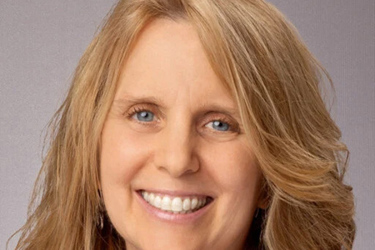
That’s why my recent conversation with Barbara Tafuto, Ph.D., interim program director of the Master's in Clinical Research Management program at Rutgers University, stood out. Tafuto oversees graduate programs designed not for people who stumble into clinical research, but for those who want to pursue it deliberately, with a clear understanding of what the work actually involves and where it can lead. As she put it, “What we try to teach is what it actually looks like to run trials, whether that’s on the sponsor or site side or at an academic medical center.”
That distinction may sound subtle, but it goes to the heart of why formal training programs like Rutgers’ exist. Running trials is operational work, and learning it on the fly is no longer sustainable for an industry facing persistent workforce shortages.
Three Programs Reflecting Three Realities
Rutgers’ Clinical Research Management offerings are structured around three distinct tracks, each aligned with a different segment of the clinical research ecosystem.
The first is a general Clinical Research Management master’s degree, designed primarily for professionals already working in the field. These are often people who entered clinical research indirectly and now want formal training to match the responsibilities they’ve accumulated. The program takes a broad view, exposing students to both sponsor and site perspectives, and is structured to be completed over two to three years to accommodate full-time work.
The second track focuses on Drug Safety. This program tends to attract students with stronger scientific backgrounds who are interested in pharmacovigilance, adverse event reporting, and signal detection. It reflects the growing demand for professionals who can interpret safety data across a product’s lifecycle, from early development through post-market surveillance.
The third track is Academic Clinical Research Management, and it is where Tafuto sees the most immediate workforce impact. The program emerged during the COVID-19 pandemic, when academic medical centers were suddenly responsible for running large-scale, time-sensitive vaccine trials.
“During COVID, the research came to academic medical centers fast,” Tafuto said. “They needed thousands of participants, but what they didn’t have were enough coordinators, data managers, and trial managers to actually run those studies.”
Rutgers itself was one of the largest vaccine trial sites globally, enrolling more than1,000 participants. The experience exposed a gap that had existed for years but was impossible to ignore during a public health emergency.
Training For The Reality Of AMCs
Running clinical trials at an AMC comes with challenges that differ markedly from those in industry. Investigator-initiated studies, federal grants, IRB complexity, and institutional bureaucracy all shape how trials are executed. The Academic Clinical Research Management track was built specifically to prepare students for that environment.
The program is accelerated, typically completed in about 16 months, and includes 500 hours of experiential training embedded directly within Rutgers Health, the Rutgers Cancer Institute, or affiliated research units. Rather than treating hands-on experience as an add-on, Rutgers built it into the core of the curriculum.
“We designed it like clinical rotations,” Tafuto explained. “Our physician assistants and physical therapists do rotations, so we asked why clinical research training shouldn’t work the same way.”
Students rotate through real research settings, observing how protocols are executed, how data is managed, and how trials move forward when timelines are tight and resources are limited. For many, it is their first exposure to the day-to-day realities of academic research operations.
A Field That Demands More Than Science Alone
One of the more surprising aspects of Rutgers’ programs is the diversity of student backgrounds. While Drug Safety students often come from traditional science disciplines, the broader Clinical Research Management tracks attract graduates in business, psychology, health sciences, and even unrelated fields.
That diversity reflects the reality of clinical research itself. Success in trial operations requires scientific literacy, but it also demands project management skills, regulatory awareness, and a strong service mindset focused on patient outcomes.
“Clinical research management is this combination of science, business, and service,” Tafuto said. “You’re patient-centered, outcome-focused, and still managing projects under heavy regulatory requirements.”
Clinical research will likely always include people who fell into it. But as trials grow more complex and expectations increase, the industry can no longer rely on accidental pathways alone. Training people deliberately may be one of the most important steps the field can take next.
For more information, check out the following links:
- New Jersey Alliance For Clinical and Translational Science
- The Clinical and Translational Science Award (CTSA) Search — an NIH-funded project designed to provide a user-friendly search of the 60+ CTSA program hub websites’ resources and initiatives.