
From The Lab To Regulations As An IRB Specialist

By Dan Schell, Chief Editor, Clinical Leader
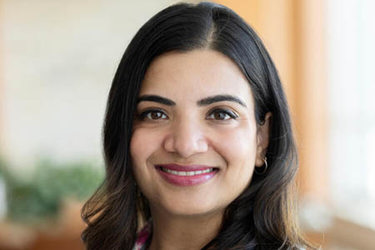
Talking with folks who work in clinical research at an AMC is always super interesting to me because those environments are often very different (e.g., technology used, operational/management structure) from stand-alone sites. So, when I had the opportunity to speak with Ribu Goyal, an IRB specialist and scientific reviewer at the Mayo Clinic Office for Human Research Protection, about her journey from lab to regulations, I was all in. In the following eight questions, she talks about everything from the details of her job to how sponsors could improve their collaboration with their IRBs.
What surprised you the most about the transition from generating science to reviewing and governing it?
What surprised me most was how much my perspective changed. In the lab, I was focused on generating data and answering a specific scientific question, but in the IRB world, you're constantly connecting pieces across the entire study and making sure everything aligns, because a change in one area can affect something somewhere else. We jokingly call it having a "rabbit brain" because you're always jumping between the protocol, consent, risks, and eligibility criteria to make sure everything connects. For me, it ended up being a bit of a full-circle moment where I could finally see the whole research ecosystem, not just one piece of it.
Describe a typical day for you, and tell me what some common misconceptions people have about the role of an IRB scientific reviewer?
There really is no typical day in the IRB, and that's one of the things I enjoy most about the role. I might be reviewing protocols, safety events, or study modifications one day and collaborating with study teams or participating in board meetings the next, but the focus is always on ensuring research is ethical, clear, and participant-centered. If there's a misconception, I think it's more a lack of visibility than anything else. Many people don't realize how much thought goes into connecting science and regulations, or what it takes to move research forward responsibly. Outside of research, members of the public often don't even realize IRBs exist, or that there is a group of people actively looking out for participant safety and rights.
What separates a well-prepared protocol submission from one that immediately raises concerns or creates delays?
A strong submission feels cohesive. The protocol, consent form, risks, and study procedures all tell the same story, and it's clear the team has thought through the participant's experience from start to finish. Delays tend to happen when those pieces don't align, or when the science doesn't translate clearly into the regulatory and ethical framework used for review. A lot of that can be avoided when teams engage early and talk things through.
Does it ever happen that ClinOps teams view IRBs as a hurdle in the startup process? Or, are there common misunderstandings about the value IRBs bring?
I can understand why that perception exists because by the time a study reaches the IRB, it has often already gone through many other layers of review and approval. But the reality is that the IRB is one part of a much larger system that's working to ensure the study is scientifically sound, ethically conducted, and sustainable over the long term. I don't necessarily see our role as slowing research down. I see it as helping studies move forward in a way that protects participants and supports responsible research. When that partnership is recognized, the process becomes much more collaborative.
Have you noticed any protocol design trends in recent years that concern you, particularly around patient burden, I/E criteria, or decentralized elements?
One of the biggest trends I focus on is patient burden, and I think it's broader than we sometimes acknowledge. We often think about the number of visits or procedures, but participant burden also includes time, travel, financial costs, and the practical realities of taking part in a study. While DCTs can reduce some burdens, they can also shift responsibilities onto participants in ways that are easy to overlook. I always come back to a simple question: What does it actually take for someone to realistically participate in this study?
Perhaps you don’t know this, but does (or how does) your job differ from someone who works for a large IRB like WCG or Advarra? Are there opportunities (e.g., conferences) for you to network and compare notes with people at other IRBs?
At its core, whether you're at an institutional IRB or a large central IRB, the fundamental goal is the same: protecting participants and supporting high-quality research. What may be different in my role is that I'm deeply embedded in the research environment and work closely with investigators and study teams throughout the process. I also serve in both scientific and regulatory capacities, which allows me to look at studies from multiple perspectives. There are also very active professional communities, and conferences provide valuable opportunities to exchange ideas, compare experiences, and learn from colleagues across different IRB settings.
For younger professionals in clinical research who may not realize careers like yours even exist, what skills or experiences actually translate well into IRB and regulatory review work?
There's a saying in clinical research that you don't necessarily plan for a career in the IRB, you often find your way there. That was certainly true for me. A strong scientific or research background helps, but so do critical thinking, curiosity, and the ability to look at a problem from different angles. You're constantly evaluating study design, risk, participant impact, and ethical considerations, so communication and thoughtful decision-making are just as important as technical knowledge. It isn't always a linear path, but it is one where a lot of different experiences and skills can come together in a meaningful way.
What are the most common avoidable mistakes you see from sponsors, CROs, or sites during the IRB review process, and what practical advice would you give to ClinOps teams to make that collaboration smoother?
One of the most common challenges is inconsistency across study documents. The protocol, consent form, and supporting materials may each make sense on their own, but if they don't align, it can create confusion during IRB review. My advice is simple: Start with a clear research question, make sure your documents tell a consistent story, and engage with the IRB team early if questions come up. I've found that a brief conversation upfront can often resolve issues that might otherwise lead to multiple rounds of revisions later.