
Rural Patients Are Ready For Trials. Are Sponsors?

By Dan Schell, Chief Editor, Clinical Leader

I have a newsflash for you: Rural America is an untapped goldmine of clinical trial participants! There are literally millions of potential participants living outside major metropolitan areas. And get this … many of them have chronic conditions that clinical trials are designed to investigate!
Can you believe it?
I’m not sure I’m allowed to write “No shit, Dan” in one of my articles, but I’m going to go with it and see what happens.
Yeah, for many years, we’ve been talking about bringing clinical research into these communities to not only improve representativeness in trials, but to just boost enrollment numbers. So why are we still talking about it?
That was one of my questions when I recently spoke with Patricio Casillas, CEO of Rovia Clinical Research Site Network. His company has grown to 20 sites, primarily in the Southeast, through acquisitions and the development of new locations. But rather than concentrating on established research markets, Rovia is deliberately pursuing communities where clinical trials have historically been harder to access — like rural areas.
The interview didn’t go where I thought it would, though, which was how Rovia has been successful at attracting and enrolling patients in these areas. Instead, we talked a lot about … PIs? I mean, it makes sense to me now, but at the time, it kind of caught me off guard.
The Rural Opportunity Is Real
Before we get into this, let’s look at some stats. According to the CDC, approximately one in five Americans lives in a rural community. These residents are more likely than their urban counterparts to die prematurely from heart disease, cancer, stroke, chronic lower respiratory disease, and unintentional injuries.
OK, now let’s look at clinical research opportunities. A 2025 review published in CA: A Cancer Journal for Clinicians reported that 86% of non-metropolitan counties had no clinical trials available, compared with 44% of metropolitan counties. The review also examined research involving nearly 30,000 cancer trial participants and found that 73.8% of rural participants traveled more than 50 miles to their trial sites, compared with just 16.2% of urban participants.
Now I get it; these are just two data points that support the opportunity for additional trials in rural markets. Still, I’m guessing we didn’t even need these research reports to convince most sponsors and CROs that it would be prudent to focus more attention on these areas.
Of course, rural residents aren't automatically more interested in research than urban residents. A study examining national survey data found no statistically significant geographic differences in clinical trial knowledge, invitations, or participation. That suggests the opportunity may have less to do with rural residents' willingness to participate and more to do with whether they're ever offered the chance. Enter the PI.
Finding Physicians Is Half The Battle
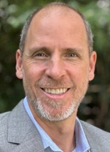
Casillas says Rovia looks for physicians who are already trusted in their communities, like Dr. Tim Quinn, a physician in Jackson, Mississippi, who has been active in community health education and screening programs and is well known in the community. Quinn also previously participated in COVID-era research, giving him some familiarity with clinical trials. But the Dr. Quinns of the world are hard to find these days. “Finding and researching potential PIs and getting them set up and trained? That's a lot of work. For us, it's like taking two steps forward, one step back,” Casillas told me. He offered a hypothetical example. Rovia might recruit and train 10 physicians, only to have five decide that the responsibilities of conducting research are more than they're willing to accept, even with their compensation.
So basically, it’s a crap shoot for sponsors looking to expand their investigator pools. A physician may have an established patient population, strong community relationships, and an interest in research, but none of those qualities automatically make that physician a capable PI or means they want to become one.
As a site network, Rovia's approach is to provide the infrastructure that many smaller practices lack, including CRCs, regulatory support, and contracting services. Physicians receive GCP training and education about their responsibilities, and Rovia compensates them for their time, sometimes before the site begins generating study revenue. However, Casillas emphasized one responsibility that cannot be delegated. “You can't outsource the oversight of a trial.”
I think that statement deserves more attention than it typically receives in discussions about expanding clinical trial access. A site network can provide all that back-end infrastructure (e.g., staffing, technology, and administrative support) that they are so good at touting and executing on, but the investigator remains responsible for appropriate oversight of trial activities. It's also why opening research locations in underserved communities isn't simply a matter of putting a coordinator in a physician's office and waiting for participants to enroll.
Trust, Transportation, And The Patient Experience
Casillas believes established physician relationships can help overcome skepticism about clinical research. Sure, Rovia supplements those relationships with community health fairs, screenings, digital outreach, and patient referrals, but it’s that trust in your doc that goes the furthest when considering becoming a research “volunteer.”
He also identified two practical reasons patients in lower-income communities may consider research participation: compensation and access to investigational therapies they might otherwise have difficulty obtaining. For example, he described GLP-1-related studies in Jackson where the potential to receive these drugs is appealing to patients who may have limited access to expensive medications.
Do Rural Sites Really Deliver Better Enrollment?
Casillas told me the company is seeing increased enrollment and more study opportunities as sponsors become familiar with its locations. Rovia also operates a patient referral program that has proven effective, too.
He didn’t offer any comparative enrollment/retention metrics for rural vs. urban regions, but the general hypothesis has always been that folks in rural areas have a higher level of trust for their physicians, so that should help those trial metrics.
Right?
Right?
It's an interesting hypothesis, but one that needs supporting data.
There's also a diversity argument. Casillas says Rovia's Mississippi locations enroll substantial numbers of Black participants, and he sees opportunities to reach Hispanic populations elsewhere in the Southeast. But rural geography and racial diversity aren't interchangeable. A site serving a predominantly white rural community may improve geographic representation without significantly changing a trial's racial composition. Both goals are worthwhile, but sponsors should measure them separately.
Ultimately, Rovia's experience raises questions that go well beyond one site network. Can sponsors become more comfortable selecting less-experienced investigators? Can site networks provide enough operational support to make research sustainable in smaller practices? And will the resulting enrollment justify the investment?
The opportunity in rural America has been apparent for years. What remains less certain is whether sponsors and their research partners are prepared to invest in the infrastructure required to pursue it. Rovia is betting they will. The next step is demonstrating — with enrollment and retention data — that the investment delivers the results everyone has been promising. (Go ahead, you can say it … No shit, Dan.)