
Setting Up A Semi-Permanent Eye Exam Space For Long-Running Clinical Trials
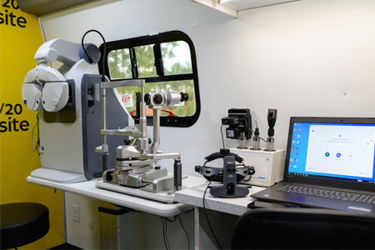
Most sponsors think about ocular endpoints in terms of the protocol, not the room where those endpoints actually get measured—but exam space design is often the quiet variable behind inconsistent data, slow visit throughput, and avoidable participant burden. The equipment on hand, how the space is laid out, and who's staffing it all shape whether an ophthalmic visit runs smoothly or becomes a bottleneck, especially across a large enrolled population with a fixed visit window.
For anyone responsible for site readiness on a trial with ocular assessments, this is a detail worth getting right before the first participant walks in. Getting equipment, layout, and staffing wrong doesn't just slow things down; it can introduce variability into the very data the trial depends on. Before finalizing site plans for an ocular-endpoint study, it's worth understanding what a properly built exam space actually requires.
Get unlimited access to:




Enter your credentials below to log in. Not yet a member of Clinical Leader? Subscribe today.