
Site-Centric First, Patient-Centric Always

By Dan Schell, Chief Editor, Clinical Leader
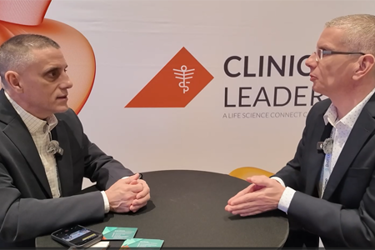
I first met Wouter Daniels, clinical trial patient & site engagement lead at Boehringer Ingelheim, at DPHARM in Philadelphia last year. We ended up watching football in a hotel lobby while tackling the largest Philly cheesesteak subs I’ve ever seen. Not long after, we both found ourselves serving on a dive team at the ING conference. So, when I learned he’d be at this year’s SCOPE Summit in Orlando moderating panels, booking a video interview at the Clinical Leader booth felt less like work and more like continuing an ongoing conversation.
Can We Just Scrap The Buzzwords?
Daniels doesn’t mince words about one of the industry’s favorite phrases. “Patient centricity is a buzzword,” he said, recalling how often he heard it when he joined his team four years ago. His pushback wasn’t about intent — it was about execution. “In clinical research, there’s more than just the patients,” he explained. “You don’t know the patients … the sites are your bridge between us as a sponsor and the patient.” His philosophy is simple: “Before you can be patient centric, you need to be site centric first. Happy site is happy patient.” Sounds like a good mantra from a guy who’s job is focused on keeping sites happy. It’s also the first time I’ve heard someone other than me call out the “patient-centricity” term for being overused, or more often, co-opted as marketing lingo. That’s not to say either of us discount the value of truly being patient-centric; just don’t flaunt it like you’ve invented some “innovative” (also overused) new aspect of clinical trials — which are ABOUT patients!
Sorry, I digress.
Daniels’ insights stem from direct site engagement work, including extensive road trips and field visits designed to better understand site needs and patient motivations. For instance, he noted that some patients enroll because they hope to help future generations, while others ask a more pragmatic question: What’s in it for me? Understanding those motivations early can shape protocol design, operations, and support services in meaningful ways.
Making Patient Focus Systematic
One of Daniels’ SCOPE panels focused on moving patient centricity from isolated success stories to repeatable practice. “How can we become more patient centric in a systematic way?” he asked. Too often, he said, effective initiatives remain one-off projects that don’t scale or inform future trials.
True change requires culture shift, infrastructure, and cross-functional collaboration. “We tend to work in silos,” he said, noting that calls to break them down have echoed for decades. Still, he sees progress when teams with the right mindset collaborate across ClinOps, medical affairs, and commercial groups to embed patient considerations at project kickoff — not at the finish line. (Check out my article “SCOPE Takeaways On Inclusion And Real Patient-Centricity” for more details on one of Daniels’ panels.)
Measuring Impact — Not Just Intent
During our video interview, we talked about how cultural change usually moves at a snail’s pace in our industry, but Daniels pointed to measurable outcomes from Boehringer’s patient and site engagement efforts. Comparing trials that incorporated engagement insights with those that did not revealed substantial gains. Timelines shortened by months — in some cases more than a year — while trial costs dropped by millions. Those are the kind of metrics I like hearing!
He added that those results have strengthened internal support. During a recent corporate reorganization, his team remained intact. “That shows the company truly believes in bringing in patient insights,” he said. Expansion is underway, including a dedicated U.S. team focused on site engagement.
Daniels sees improvement across the industry, including the rise of site networks and growing recognition that culture change is essential to operational transformation. But he remains pragmatic. “It’s happening,” he said. “We have scratched the surface — but it’s working.”
If patient centricity is going to evolve from conference rhetoric into operational reality, Daniels’ message is clear: start with the sites, understand patient motivations early, build systems that scale insights, and measure what matters. But don’t bother measuring those Philly cheesesteaks … trust me, they were too big.