

ABOUT VERISTAT
Veristat, the Science-First™ full service CRO and consultancy, enables sponsors to solve the unique and complex challenges associated with accelerating therapies through clinical development onto regulatory approval and post-marketing. With our focus on novel drug development and 30 years of experience in clinical trial planning and execution, we deliver bold approaches that make the impossible possible. Our team has prepared over 100 marketing applications for approval with global regulatory authorities in the last 10 years alone. We supported the trials for the first gene therapy approved in Europe.
Veristat’s focus on novel drug development has led to success when handling the unknowns that arise across complicated therapeutic areas, such as rare/ultra-rare disease, advanced therapies, oncology, and infectious disease trials. We apply this knowledge base every day to solve any clinical program’s challenges, from the simplest to the most complex. Veristat has assembled an extraordinary team of experts worldwide who have mastered therapeutic development intricacies, enabling sponsors to succeed in extending and saving lives.
Whatever the study’s unique considerations – patients, products, process, follow-up, regulatory – Veristat can successfully get you through it. For more information, visit www.veristat.com.
CAPABILITIES

In today’s regulatory climate, ongoing discussion about FDA workload, funding constraints, and shifting review priorities have sparked anxiety across the biopharma industry — especially for sponsors preparing for key submissions like INDs or NDAs. At Veristat, our most recent interactions reflect continued responsiveness and constructive engagement from FDA.

Advancing biologics from start to finish is highly complex and full of challenges, requiring scientific strategies and implementation.

For successful regulatory outcomes, we provide quality medical writing services for clinical trial documents, safety updates, and marketing applications.

Applying experience, knowledge, and insights to plan and implement regulatory strategies for successful interactions with the FDA, MHRA, EMA, and other Global Regulatory Agencies.

Preparing regulatory marketing applications to their successful conclusions is our focus.

Getting a novel therapy through the clinical development process to approval is complicated. Unearth how to advance novel medical therapies from Phase I-III clinical development to market with confidence.

From regulatory pathway selection to patient recruitment challenges to navigating the volume of data to collect and clean — a rare disease therapy requires an extraordinary amount of coordination.

Infectious diseases are a threat to global health and way of life everywhere. Time is of the essence when it comes to developing safe and effective infectious disease vaccines and treatments.

When the complexities of designing and executing cancer trials in a highly competitive market can mean delays in delivering urgently needed treatments to patients, it pays to have a trusted partner by your side.

Metabolic and endocrine diseases are a rising therapy area focus for clinical research due to the high demand for novel therapies that are challenged with proving safety and efficacy.

Second, only to Oncology, CNS, and Neurology clinical trials are incredibly complex and complicated to navigate.

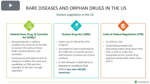
Developing a therapy for a rare or ultra-rare disease is life-changing work with unique challenges. Examine how natural history data is being used to inform the clinical development process.

Strategic product development and CMC regulatory planning start early on at the pre-IND stage and apply to the entire development lifecycle through to post-approval.

Start early and get it right the first time. Course correct with a changing landscape. Overcome obstacles within clinical development. Collaborate with the best strategists and problem-solvers in clinical development.

Whether you need a few scientific experts or a fully-staffed function, gain flexibility and results with Veristat’s Strategic Resourcing Solution and confidently meet your study milestones.

Advancing a novel therapy through clinical development is complicated. Not all therapies make it to the patients that need them.

Accelerate your cell or gene therapeutic to market with tailored clinical and regulatory strategies and expert insights.

We understand how challenging it is to adopt a novel approach to drug development. Pivoting to virtual clinical trials is no exception.

Delivering safety surveillance before and after regulatory approval for pre-approval and marketed health products.
PODCASTS








WEBINARS




CONTACT INFORMATION
Veristat, Inc.
134 Turnpike Road, Suite 200
Southborough, MA 01772
UNITED STATES
Phone: 508-306-6281
Contact: Lauren Willis
FEATURED ARTICLES
-

Psychedelic compounds show real promise for PTSD, but proving it requires solving unblinding, bias, and safety gaps in trial design.
-

Discover how ctDNA could transform early cancer detection and why the BRCA model offers important lessons for balancing innovation, risk, and meaningful patient outcomes.
-

See how CROs are helping shape the future of ctDNA research—translating emerging data, regulatory insights, and biomarker innovation into faster, smarter oncology development.
-

M&A transitions can either preserve momentum or create costly setbacks. Learn how protecting institutional knowledge helps sponsors reduce risk, maintain continuity, and accelerate development.
-

Global regulators are increasingly aligned, creating new opportunities for sponsors to pursue near-simultaneous submissions across major markets
-

Learn how you can navigate the complexity of rare disease development with flexible trial design, integrated regulatory strategy, and data-driven execution built for small populations and global programs.
-

How does specialized knowledge compound over time into foresight, stronger execution, and more confident decision-making across the drug development lifecycle?
-

PTSD trials expose one of the hardest problems in modern drug development, a reliance on clinician-administered and patient-reported scales to determine whether a therapy truly works.
-

The regulatory environment for cell and gene therapies (CGTs) is evolving rapidly, requiring sponsors to adopt a more strategic, integrated development approach.
-

Project Optimus represents a transformative shift in oncology, advocating for a more nuanced, evidence-based approach to dose selection, prioritizing patient safety alongside treatment effectiveness.
-

In response to insufficient traditional dose-escalation methods, regulatory initiatives like the FDA’s Project Optimus advocate for identifying optimal biological doses rather than relying solely on maximum tolerated doses (MTD).
-

From selecting appropriate targeting molecules to optimizing dosing strategies and managing off-target effects, radiopharmaceutical development demands a tailored and strategic clinical approach.
-

True team integration transcends basic collaboration, requiring the dismantling of barriers between sponsors and vendors, eliminating departmental silos, and cultivating mutual accountability.
-

Conducting multi-regional clinical trials (MRCTs) is essential for accelerating oncology drug development and ensuring broader patient access. However, differences across regions can impact findings.
-

Through proactive timeline management and strategic oversight, organizations can achieve their regulatory goals with confidence.
-

Clinical trials are inherently complex, and even well-structured studies may struggle to achieve statistical significance due to challenges in study design, patient selection, and data variability.
-

Learn about adaptive design (AD) trials that reduce clinical trial time and cost while enhancing patient safety by minimizing exposure to unsafe or ineffective treatments.
-
 For Successful Clinical Development")
Discover why the differences between individuals and diseases are crucial when crafting a clinical development program.
-

Get a recap of what industry experts had to say about single-arm oncology registrational studies, success stories, and valuable lessons learned.
-

Explore some of the key takeaways from the Tufts CSDD Roundtable on quantifying the value proposition of decentralized clinical trial deployments.
-

Learn more about what a Functional Service Provider (FSP) is, and review key points to consider when deciding if a functional service approach could better serve a clinical team and its study.
-

Discover how this terminology change will require the investment of time and resources to deliver its full potential.
-

Explore how effectively managing the publishing of documents required for a marketing application submission can help accelerate the time it takes to bring your product to market.
-

In this blog, explore both autologous and allogeneic approaches, the solutions needed to optimize the development processes for commercial viability, and the future landscape of cell therapies in the rare disease space.
-

Read this webinar presentation as panelists share lessons learned and recommendations for designing protocols that enable flexibility in your virtual trials’ conduct.
-

Today, the shift and the changes in how we work has affected how clinical trial monitoring is conducted and performed. Explore how re-tooling the clinical monitoring in clinical trials has become imperative.
-

The recent FDA guidance entitled "Human Gene Therapy for Neurodegenerative Diseases" (ND) provides recommendations for Sponsors who are developing human gene therapy (GT) products for neurodegenerative diseases, which affect adult and pediatric patients. It focuses on considerations for product development, preclinical testing, clinical trial design and marketing approval pathways. This article outlines several areas to consider when preparing for regulatory agency interactions.



























CASE STUDIES
-

See how strategic EU dossier adaptation and Swiss-specific regulatory expertise enabled a successful SwissMedic submission and accelerated market access for an oncology therapy.
-

Discover how an integrated NDA strategy aligned data, vendors, and regulatory execution to achieve an on-time submission and approval without major FDA queries.
-

Facing EU MAA complexity? Learn how one oncology sponsor met a fixed EMA deadline through global regulatory coordination, rapid dossier adaptation, and real-time submission execution.
-

Managing a complex sNDA under pressure? See how one sponsor achieved an early FDA submission through coordinated publishing, regulatory strategy, and flawless execution.
-

Global approvals for a first-in-class gene therapy don’t happen by chance. See how adaptive oversight and inspection readiness kept a complex rare disease program moving forward.
-

What is a Simon 2-stage design, and how was it used to enable each tumor-specific cohort in a Phase 2, multi-cohort oncology trial to be independently assessed for objective response rates?






INFOGRAPHICS
- FDA Expedited Programs – What You Need To Know
- Four Pillars Of Success In Neurology Clinical Trials
- A Practical Guide For Managing Multiple Global Regulatory Pathways
- Does Your CRO Excel In Oncology Regulatory Publishing?
- Accelerating Patient-Centric Trials With A Sponsor's Checklist
- How Does RWE Impact Clinical Trials?
- FDA Guidance On The Use Of DMCs In Clinical Trials
- Understanding Data Monitoring Committees
- Successfully Prepare Structure-Data Files For Regulatory Submissions
- FDA Meeting Types With CDER And CBER For Biosimilar Products
- Enhancing Trial Efficiency With Thoughtful Database Design
- Autologous Vs. Allogeneic Cell And Gene Therapies
- Shortening Development And Approval Timelines For Medicinal Products
- Lessons Learned For Better Planning Of Decentralized Clinical Trials
- Similarities And Differences Between The CTA And IND
- When And Why To Hold A Pre-IND Meeting With FDA
- Guidelines For Response Criteria For Use In Oncology Trials
- What Is An IND And Why Do I Need One?
- The DCT Continuum: Finding The Right Model And Right Fit For Small And Mid-Size Sponsors
- FDA Meeting Types: Timing, Purpose & Examples Of Type A, B & C Meetings With CDER And CBER
- FDA Expedited Pathways
- The Time For Virtual Trials Is Now
- Considerations For Natural History Studies
- Benefits Of A Central Site Model
WHITE PAPERS
-

Learn how early FDA alignment can help your neurology program move forward with greater clarity, confidence, and regulatory readiness.
-

No two new drug applications (NDAs) or marketing authorization applications (MAAs) are the same. Learn the key strategies that can be implemented to propel even the most complex submissions to successful regulatory conclusions.


BROCHURES
- Data-Driven Paths To Rare/Ultra-Rare Disease Therapy Approval
- Accelerating Biologics Through Development Milestones
- Advancing Development And Approval Of Rare/Ultra-Rare Disease Therapies
- An FSP Model Can Minimize The Risks Of Failure And Missed Milestones
- Solving Challenges With Customized DCT Solutions
- CRO Of Choice For Cell And Gene Therapies
- Expert Regulatory Filings To See Your Regulatory Strategy Through
- Endocrine & Metabolic Expertise To Enable Your Success
- NDA/MAA Preparation Survival Guide: Overcoming Data Analysis Hurdles
- Bringing Life-Changing Therapies To Patients Everywhere
- Regulatory Consulting & Planning For Clinical Development Success
- NDA/MAA Preparation Survival Guide: Managing Operational Complexities
- NDA/MAA Preparation Survival Guide: Three Guiding Principles
- Think Bold. Think Scientific. Think Veristat.
- Bring More Confidence To Your Post-Marketing Pharmacovigilance And Safety Surveillance
- The Importance Of A Trusted Pharmacovigilance Partner
- Bold Thinking Overcomes Oncology Clinical Development Challenges
- Gene Therapy: Creative Solutions For Complex Clinical Development Pathways
- Roadmap To Market For Cell And Gene Therapies